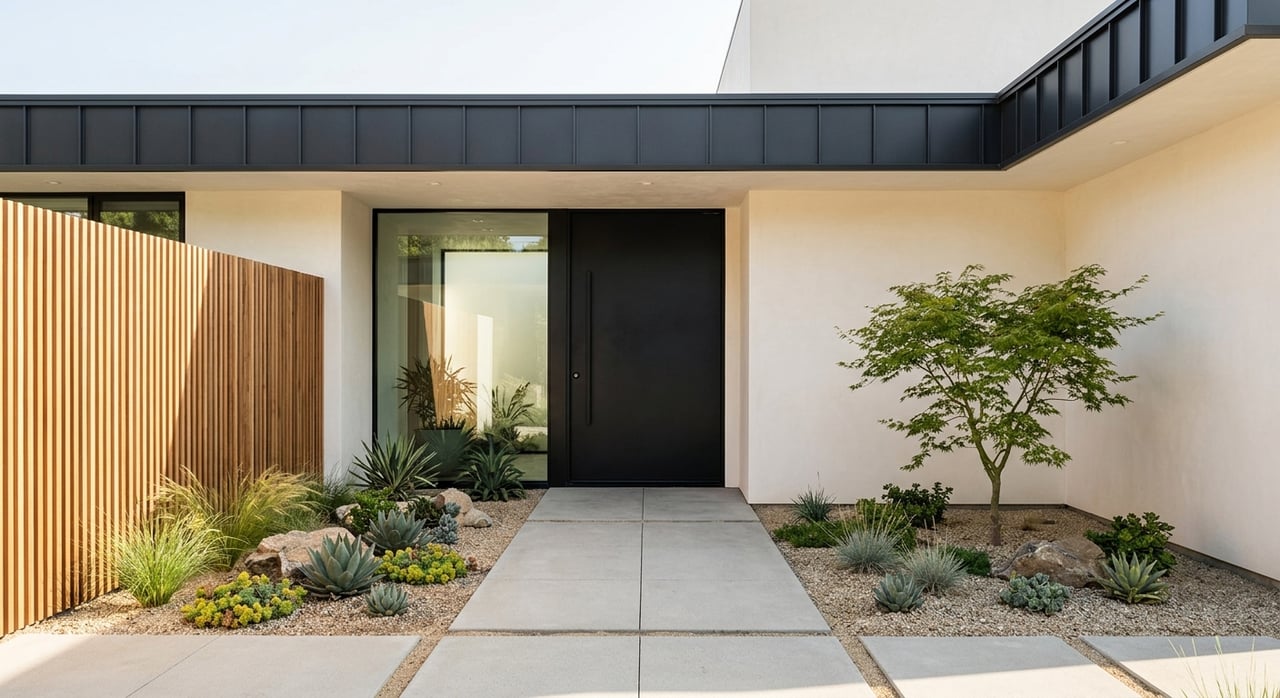
Upland Housing Market Trends Every Seller Should Watch
If you’re thinking about selling in Upland, the good news is this: the market still gives you leverage, but it is not the kind of market where you can name any price and expect buyers to chase it. Buyers are active, inventory is not overwhelming, and many homes still attract solid attention. At the same time, buyers are more selective, more payment-conscious, and quicker to push back when a home feels overpriced or underprepared. In this post, you’ll learn what current Upland housing trends mean for sellers, how to price and prepare your home, and where strategy matters most. Let’s dive in.
Upland remains a seller-friendly market based on the latest local data, but it looks balanced enough that execution matters. Realtor.com’s June 2026 snapshot shows 202 homes for sale, a median listing price of $800,000, 39 median days on market, and a 99% sale-to-list ratio. Redfin’s May 2026 data also points to steady demand, with a $799,522 median sale price, 46 median days on market, and about five offers per home on average.
That combination tells you something important. Buyers are still in the market, and well-positioned homes can attract interest, but homes are not flying off the shelf in every case. Zillow’s May and April 2026 snapshot adds to the picture with a typical home value of $827,619, 160 homes for sale, 61 new listings, and 21 days to pending.
If you are hoping the market alone will push your sale price much higher, the recent numbers suggest a more measured story. Redfin reports median sale prices up 1.4% year over year, while Zillow shows typical home values up just 0.3% year over year. That points to stability more than rapid appreciation.
For sellers, stable pricing can still be a positive. It usually means your home may hold value well, but buyers are less likely to stretch far beyond what recent comparable sales support. In other words, you can still do well, but the market is rewarding precision over momentum.
One of the clearest signs of buyer selectivity is the softer price-per-square-foot data. Redfin reports $432 per square foot, down 4.0% year over year, while Realtor.com reports $444 per square foot, down 5.12% year over year. That does not automatically mean values are falling across the board, but it does suggest buyers are weighing condition, updates, and overall presentation carefully.
If your home feels move-in ready, you may be in a stronger position. If it needs visible repairs or feels dated, buyers may still make offers, but they are more likely to negotiate harder. In this kind of market, presentation is not a small detail. It can shape both showing activity and your final sale terms.
Citywide averages can help you understand direction, but they should not be your pricing plan. Realtor.com’s current ZIP code data shows a median listing price of $675,000 in 91786 with 122 homes for sale, while 91784 sits at $997,500 with 80 homes for sale. That is a meaningful gap within the same city.
This matters because buyers shop by budget, home style, and area expectations. A pricing strategy that makes sense in one part of Upland may miss the mark in another. If you are preparing to sell, your list price should be based on the most relevant comparable homes in your specific ZIP code, neighborhood, and price band.
A near-100% sale-to-list ratio sounds great, and it is a healthy signal, but it does not mean every seller gets over asking. Zillow’s April 2026 data shows that 40.5% of sales closed above list price, while 43.7% closed below list. The median sale-to-list ratio was 1.000.
That tells you the market is rewarding homes that hit the right price early. If you price realistically and launch well, you may attract strong offers. If you start too high, buyers may wait, negotiate harder, or move on to better-positioned options.
Depending on the data source, Upland homes are moving in roughly a three- to six-week range. Realtor.com reports 39 median days on market, Redfin reports 46, Zillow shows 21 days to pending, and an Inland Empire Realtors March 2026 report shows 22 days on market. These snapshots use different methods, but they point in the same general direction.
Your first few weeks on the market are still important. Buyers tend to notice fresh listings first, and homes that sit can invite questions about pricing or condition. That is why the pre-listing phase often matters even more than the listing phase itself.
The Inland Empire Realtors March 2026 report shows Upland at a median sales price of $800,000, 70 active listings, 22 days on market, and a 28% year-over-year drop in sales transactions. Fewer closed sales can sound concerning at first, but it does not automatically signal a market downturn. In this case, pricing has remained comparatively steady.
For sellers, that usually means fewer buyers are completing purchases than a year ago, but the buyers who are active are still supporting values. It also reinforces why planning matters. In a market with fewer completed transactions, you want your home to stand out for the right reasons.
Selling is not just about getting an offer. It is also about getting to the closing table with as little friction as possible. Zillow’s 2025 seller survey found that failed offers were most often tied to financing issues at 39%, followed by low appraisals at 28% and inspection problems at 21%.
For California sellers, insurance issues were also a major concern. In that same survey, 47% of California sellers said homeowners insurance issues played a role in an offer falling through. Add in Freddie Mac’s 30-year fixed rate of 6.49% as of July 9, 2026, and it is clear that many buyers are still highly sensitive to monthly payment pressure.
This is one reason clean paperwork, realistic pricing, and solid property preparation matter so much. A smooth transaction often starts before your home ever goes live.
Most buyers begin their search online, and first impressions happen fast. Zillow says 94% of potential buyers shop online, which means your home’s photos, presentation, and listing details carry real weight. In a market where homes may take several weeks to sell, strong marketing can help you capture attention early.
That starts with the basics. Necessary improvements, decluttering, depersonalizing, staging, and curb appeal all help buyers picture the home more clearly. When buyers are selective, polished presentation can support stronger interest and reduce the odds of immediate price resistance.
If you have flexibility, timing can still work in your favor. Zillow’s 2026 timing analysis found that homes listed in the last two weeks of May sold for about 1.7% more nationwide. While every local market has its own rhythm, the broader lesson is simple: the best listing window often rewards sellers who prepare early.
Zillow’s seller research also says the typical seller thinks seriously about selling for three to less than four months before listing. That timeline makes sense in Upland. If your target is a spring or early summer launch, your planning should begin well before then.
If you want to maximize your position in today’s market, focus on the steps that directly affect price, buyer confidence, and time on market.
Take care of visible maintenance issues before listing. Even smaller problems can make buyers wonder what else may need attention. In a selective market, deferred maintenance can shrink your buyer pool or lead to tougher inspection negotiations.
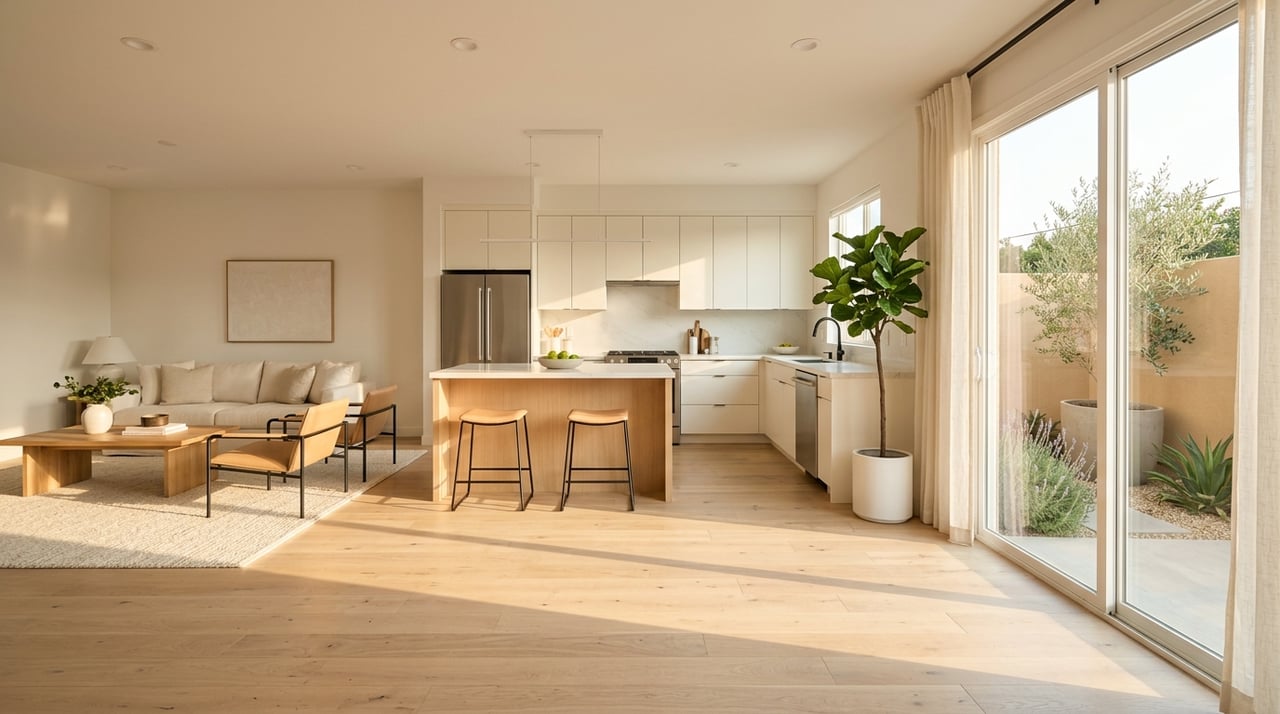
Decluttering and depersonalizing can make rooms feel larger and easier to picture. A clean, well-arranged home also tends to photograph better, which matters when most buyers start online. Thoughtful staging can help highlight layout, light, and function.
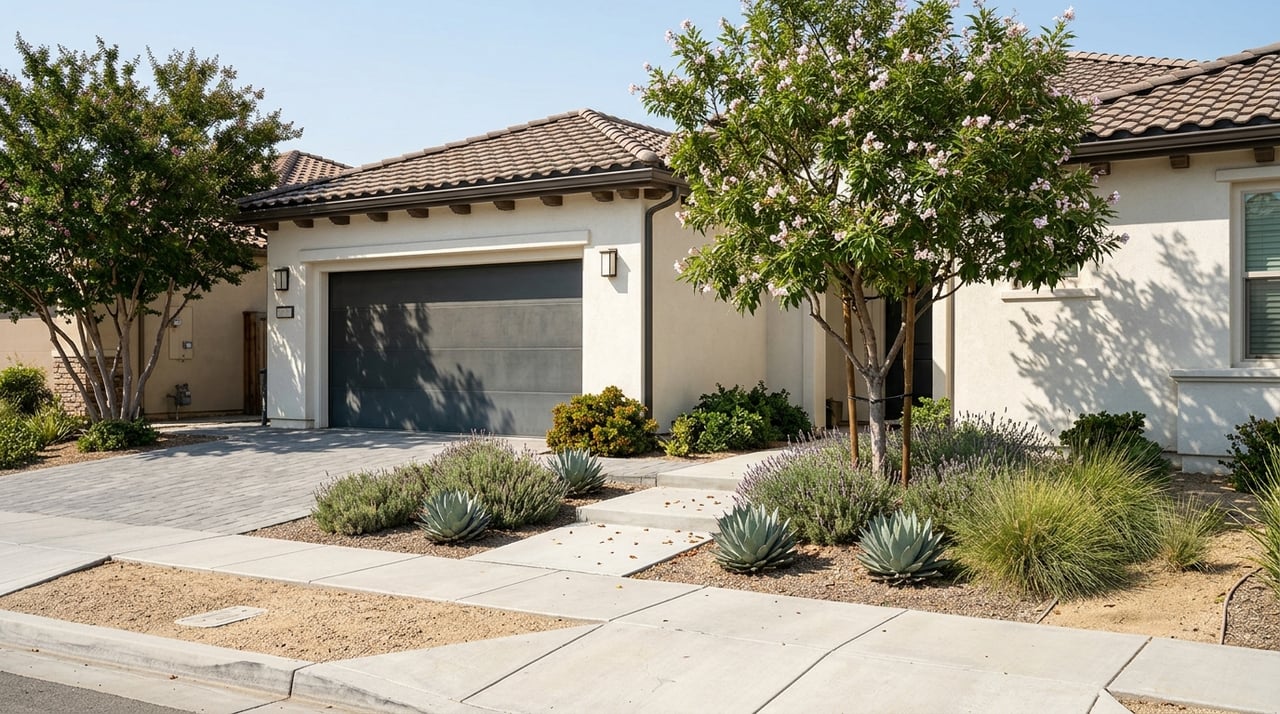
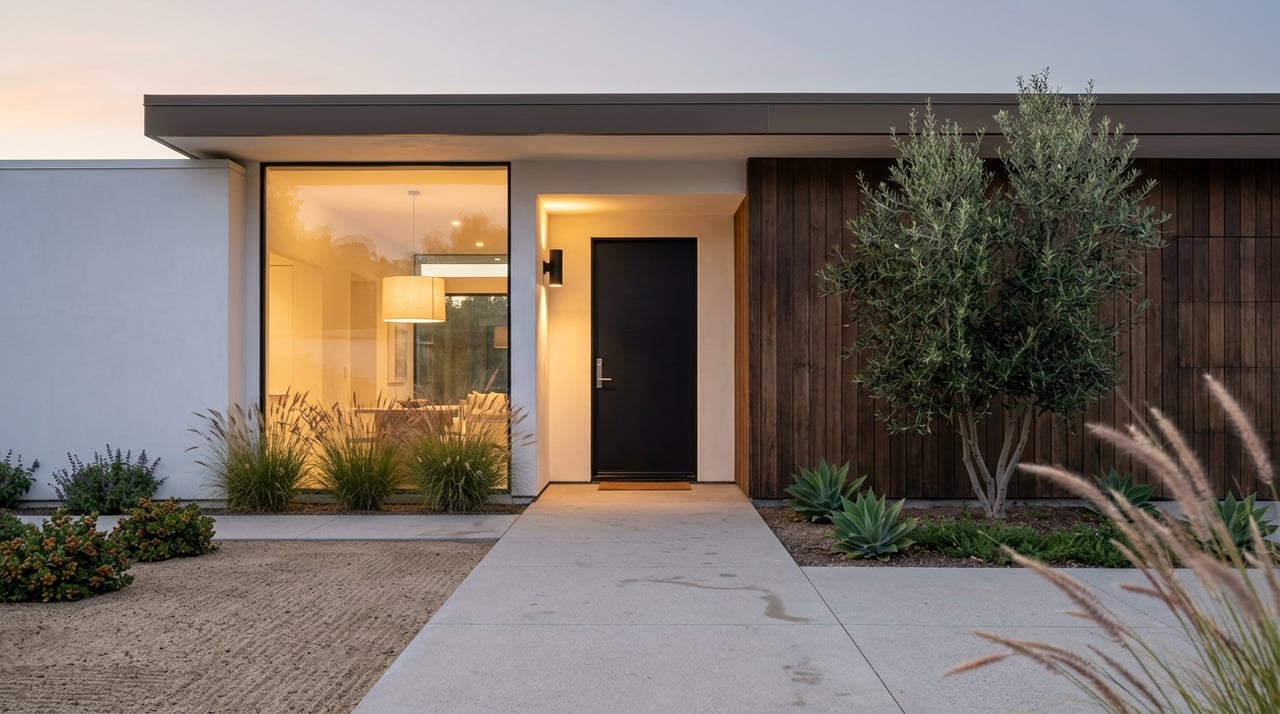
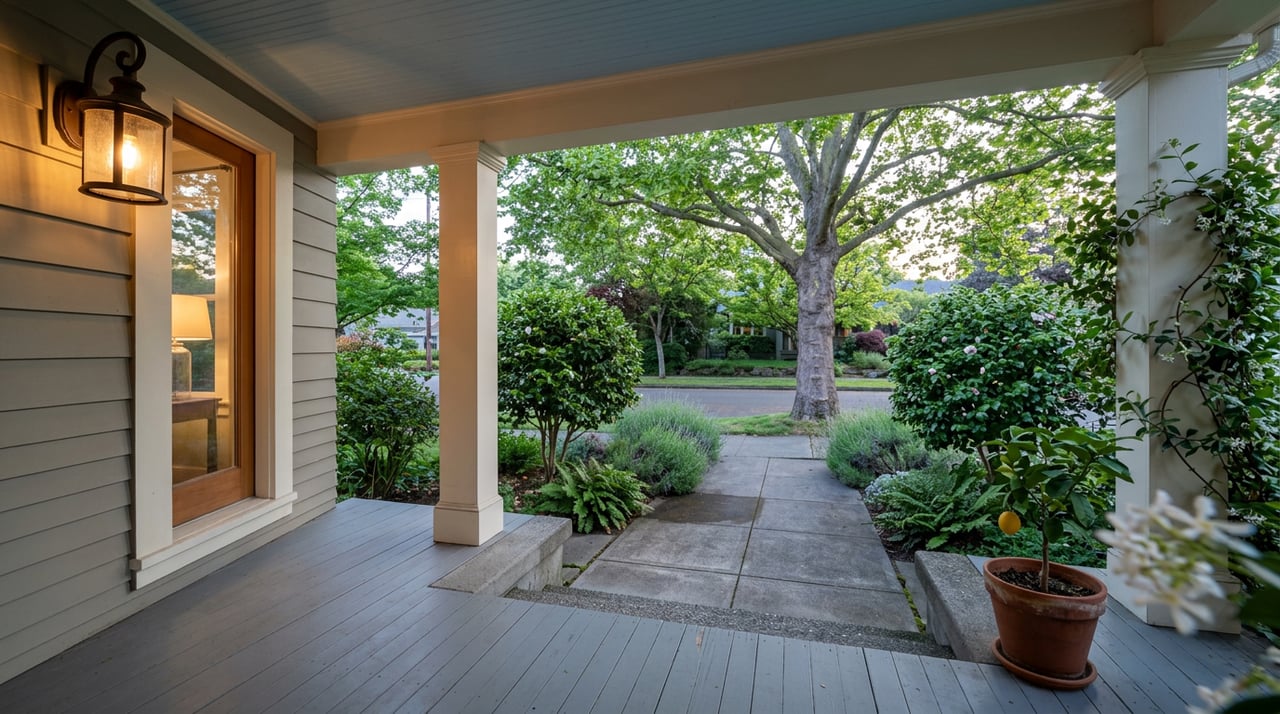
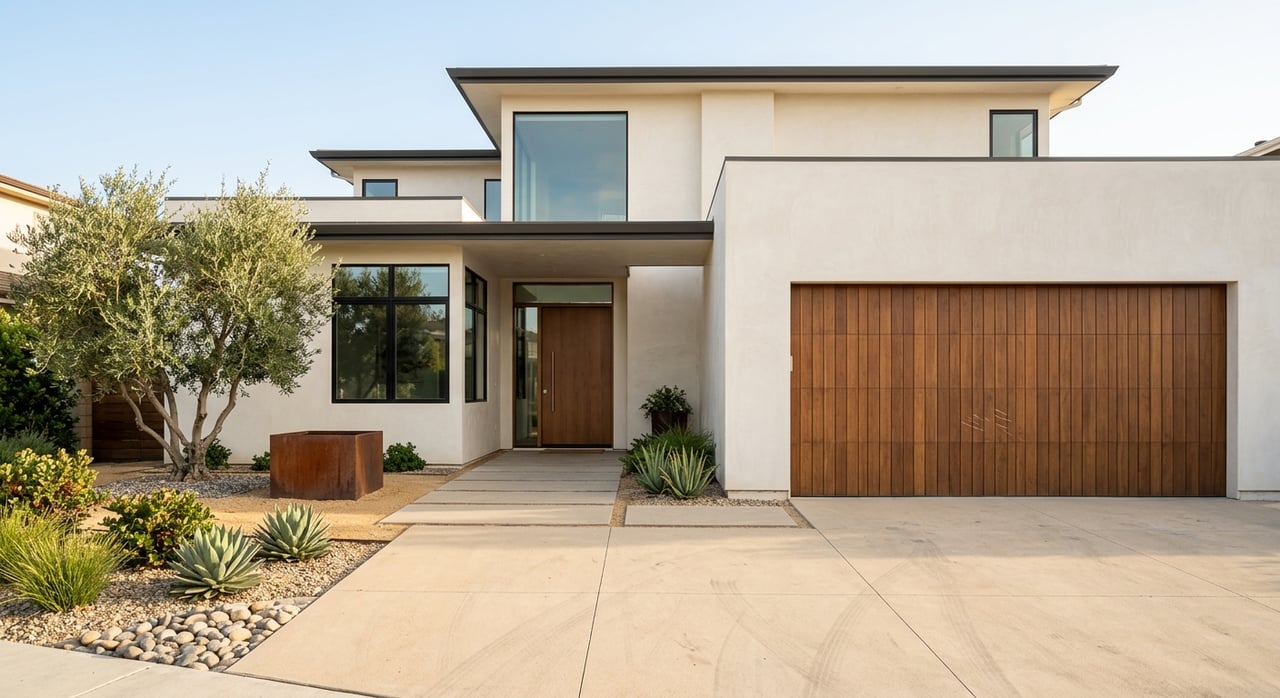
The outside of your home sets expectations before a buyer walks in. Trimmed landscaping, clean walkways, and a tidy entry can help create a stronger first impression. In a market with several weeks of competition, curb appeal can influence whether a buyer schedules a showing at all.
If you have replaced systems, completed renovations, or made notable improvements, keep those records organized. Buyers often feel more confident when they can see what has been done and when. This can also help support value during negotiations.
Use recent comparable sales from your exact area, not just citywide headlines. Upland has meaningful variation by ZIP code and neighborhood, so accurate pricing should reflect the homes buyers will compare yours against directly. This is where local guidance can make a measurable difference.
If you are selling because of probate, a trust transition, divorce, downsizing, or relocation, today’s market calls for both strategy and patience. Stable pricing is helpful, but buyer selectivity means the process still benefits from careful planning. You may need support with timing, home preparation, records, and negotiations, especially if the sale involves multiple decision-makers.
A well-managed plan can reduce stress and help you avoid preventable delays. In a market like Upland’s, the details matter, and so does having a clear process from the beginning.
Upland housing trends point to a market that still favors sellers, but not passively. Demand is solid, inventory is manageable, and many homes are still selling close to list price. At the same time, price growth is modest, buyers are more selective, and overpricing can quickly work against you.
If you want the strongest result, think beyond the headline numbers. Focus on the right price, strong presentation, and a smooth launch backed by neighborhood-level data. That is where sellers are winning in Upland right now.
If you’re planning a move and want a clear strategy tailored to your home, your timeline, and your part of Upland, Cornerstone Realty Group can help you build a personalized plan and provide a free home valuation.
Navigating the journey of buying or selling a home can be a breeze when you've got the right expert by your side. We're here to simplify the process for you, tackling all your questions with honesty and dedication. Even if we don’t have an immediate answer, we promise to find it for you. Let's make your real estate experience smooth and stress-free together!
299 W FOOTHILL BLVD STE 212 UPLAND CA 91786 Yolanda Andrade | CA DRE# 01748163