Living Near Claremont Village: A Local Lifestyle Guide
If you are drawn to the idea of a walkable downtown, local coffee spots, and residential streets with character, living near Claremont Village may feel like a strong fit. Many buyers want a neighborhood that makes everyday life easier, not just a place that looks good on a map. This area offers that blend of convenience, community rhythm, and historic charm. Let’s dive in.
Claremont sits about 30 miles east of Los Angeles, and the city describes its historic downtown Village as part of a small-town, tree-lined community with a central residential and retail core. That matters if you want a location where daily errands, dining, and local events are clustered in one recognizable hub.
Living near the Village often means you are close to a compact downtown experience rather than a spread-out commercial corridor. Instead of driving from one large shopping center to another, you are more likely to move through a browsable area with storefronts, cafes, and gathering spots close together.
One of the biggest draws of living near Claremont Village is how easy it can be to get around the core area on foot. The historic Depot serves as both a Metrolink stop and a Foothill Transit bus stop, and the city notes that it is within walking distance of the Village shopping district.
Metrolink also describes Claremont Village as a very walkable area with a dense mix of shops and restaurants near the station. For you, that can translate into simpler routines, whether you are grabbing coffee, meeting friends, or heading to the train.
If you commute or just like having options, the Village location adds flexibility. Being near the Depot gives you access to rail and bus service without needing to drive everywhere.
That does not mean every trip becomes car-free, but it does give you another way to move through the region. For many buyers, that extra mobility is a real quality-of-life benefit.
The Village does have parking, but it is not an unlimited park-anywhere setup. The city lists six three-hour lots, two-hour on-street parking near storefronts, and several all-day lots, including the Metrolink lot east of College Avenue.
In practical terms, that means living nearby can be especially convenient because you may be able to walk in for quick stops instead of thinking about parking time limits. It also reflects the kind of downtown where pedestrian activity is part of the design.
Claremont Village is known for a compact mix of locally owned shops, gift stores, boutiques, cafes, coffee shops, brewpubs, and upscale eateries. That creates a different experience from a typical big-box retail area.
For you, that can make everyday errands feel a little more enjoyable. A quick stop can easily turn into lunch, coffee, or a relaxed walk through downtown.
This kind of setting often appeals to buyers who want more than square footage alone. They want a home base that connects them to a lively, usable neighborhood center.
Another part of living near Claremont Village is the steady calendar of recurring events. These are not limited to one season, which helps give the area an ongoing sense of activity.
The Claremont Village Art Walk takes place every first Saturday from 5 to 8 p.m. in Village businesses, galleries, and museums. It is centered on local art, light bites, and refreshments, giving downtown a regular after-hours rhythm.
The city visitor guide also highlights several Village-centered traditions, including:
The Farmers & Artisans Market plays a big role in the area’s weekly routine. According to the city guide, it runs every Sunday from 8 a.m. to 1 p.m. on Harvard Avenue between First Street and Bonita Avenue.
The market features certified organic produce, crafts, flowers, and plants. Because it happens every week, it can feel less like a special event and more like part of normal life near the Village.
Claremont also describes itself as a long-standing cultural arts center for the Pomona Valley. The city points to public art programming as well as local galleries and theaters supported by civic and nonprofit groups.
That broader arts presence adds another layer to the Village lifestyle. If you enjoy an area with visual character, public events, and creative energy, that can shape how the neighborhood feels beyond shopping and dining alone.
One of the interesting things about living near Claremont Village is how quickly the atmosphere can shift. You can move from commercial blocks into older residential streets with mature landscaping in a short distance.
City guidelines emphasize street trees, abundant parks, and carefully maintained private homes. That helps explain why the area often feels established and visually distinctive rather than brand new or uniform.
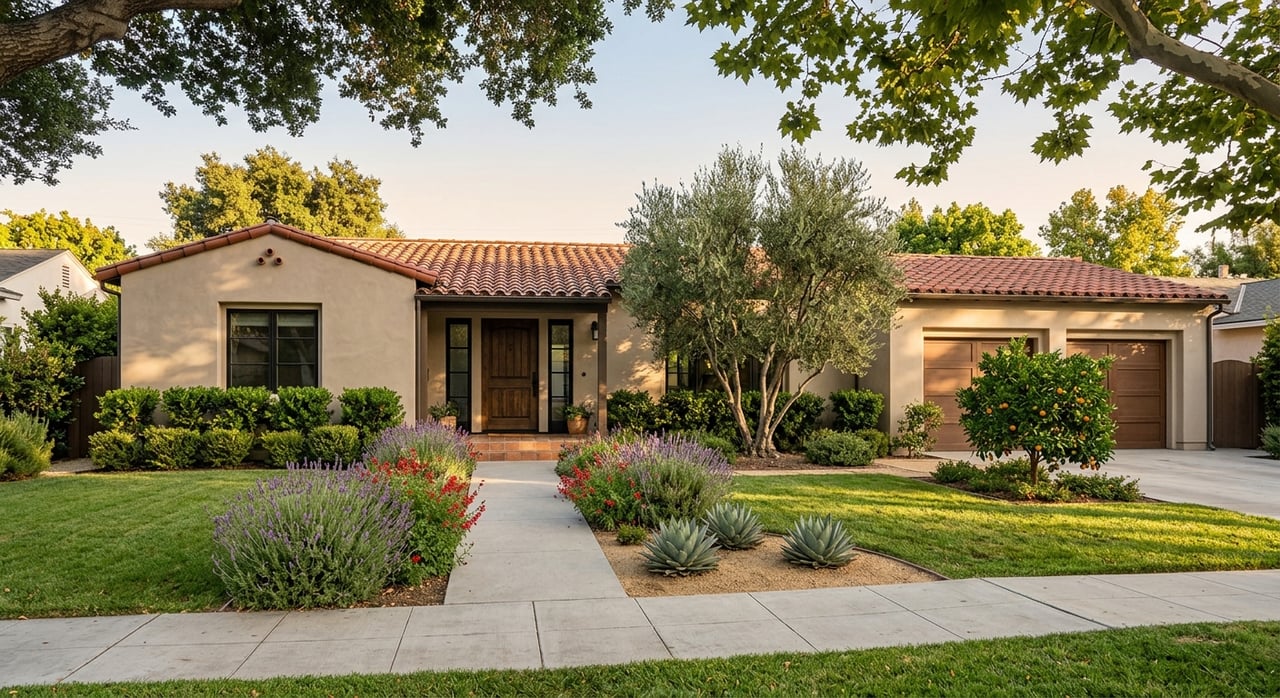
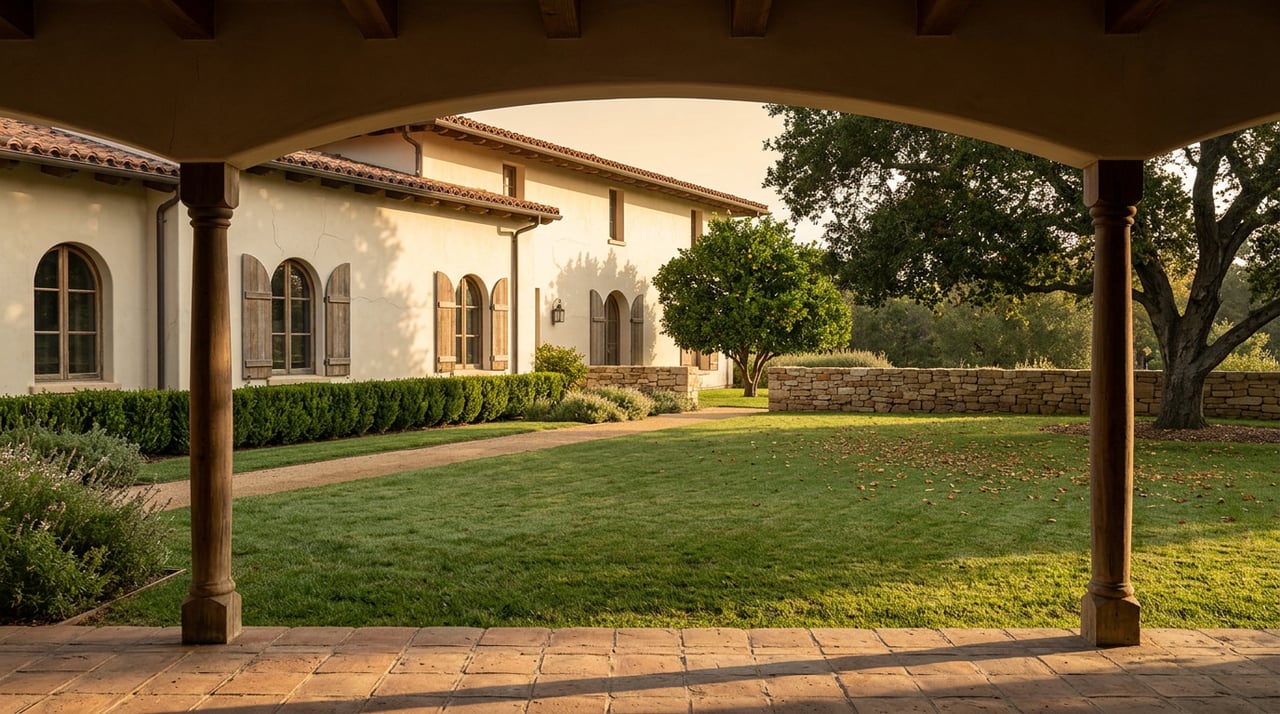
Claremont’s history materials note that the city includes representative examples of Victorian, neo-Classical Revival, Craftsman, and Spanish Colonial Revival architecture. For buyers, that points to a more varied housing environment near the Village.
Rather than seeing one repeated tract style, you are more likely to notice a mix of older homes, smaller infill development, and different architectural periods. That variety can be appealing if you value character and a sense of place.
The city also notes that Claremont offers a range of housing types, from single-family homes to condos, townhomes, and apartments. Near the Village, that range can support different budgets, household sizes, and lifestyle needs.
If you want lower-maintenance living close to downtown, some options may align with that goal. If you prefer a detached home near the Village core, the surrounding streets may offer a different kind of fit.
If you are thinking long term, it helps to know that planning efforts may shape the Village edge over time. The city’s Active Transportation Plan is intended to make Claremont more walkable, bikeable, and transit-oriented.
The Village South Specific Plan also envisions mixed-use, transit-oriented development immediately south of the original Village. That includes a range of housing types, ground-floor retail in key locations, and streets and open spaces modeled on the historic Village.
For you, this suggests that the southern edge of the Village may become more urban and mixed-use over time. Meanwhile, the nearby residential streets beyond the core may continue to offer a more established neighborhood feel.
Living near Claremont Village can appeal to several types of buyers. The lifestyle tends to fit people who value access, local character, and a downtown they can actually use on a regular basis.
You may especially like this area if you want:
It may require some adjustment if you prefer abundant storefront parking right at the door or a more suburban, car-dependent routine. The Village works best when you appreciate the tradeoff between convenience, walkability, and an active downtown core.
When you explore homes near Claremont Village, think beyond the house itself. Pay attention to how close you want to be to the busiest blocks, how often you expect to walk downtown, and whether transit access matters to your routine.
You should also consider how neighborhood feel can change from one pocket to another. Some areas near the Village may feel more historic and residential, while edges influenced by future mixed-use planning may feel more active over time.
That is why local guidance matters. A neighborhood can look simple on a map but feel very different once you understand parking patterns, event activity, housing styles, and the rhythm of daily life.
If you are considering a move in Claremont, working with a team that knows how each area lives day to day can help you make a more confident decision. For a free home valuation and a personalized plan, reach out to Cornerstone Realty Group.

Navigating the journey of buying or selling a home can be a breeze when you've got the right expert by your side. We're here to simplify the process for you, tackling all your questions with honesty and dedication. Even if we don’t have an immediate answer, we promise to find it for you. Let's make your real estate experience smooth and stress-free together!
299 W FOOTHILL BLVD STE 212 UPLAND CA 91786 Yolanda Andrade | CA DRE# 01748163