Preparing Your La Verne Home To Sell
Wondering how much work you really need to do before you put your La Verne home on the market? In a market where homes are still selling close to list price but buyers have enough choices to be selective, the right preparation can make a real difference. If you want to attract strong interest, avoid preventable delays, and feel more confident when offers come in, a smart plan matters. Let’s dive in.
La Verne’s 2026 resale market looks balanced to competitive, which means sellers still have opportunity, but presentation and pricing matter. Recent market snapshots show median sale prices around $930,000 and average home values near $951,561, with homes going pending or selling in a matter of weeks depending on the source.
Those numbers tell an important story. Buyers are active, but they are not ignoring condition, pricing, or first impressions. In a market like this, a move-in-ready home with a strong launch often has an edge over a home that feels unfinished or overpriced.
If you are planning to sell, it helps to begin preparing three to four months before your target list date. That gives you time to sort through belongings, handle repairs, gather documents, and make thoughtful updates without rushing.
Late spring is often considered a strong selling season, but timing alone does not carry a listing. Current seller research suggests that well-priced, well-prepared homes can still perform well outside the exact seasonal peak, so your focus should be on readiness rather than trying to guess the perfect week.
The highest-value projects are often the least glamorous. Before you think about major remodeling, start with the basics that shape how buyers see your home in person and online.
Decluttering is one of the most important steps before listing. It helps rooms look larger, cleaner, and easier for buyers to imagine using.
Go room by room and remove anything that makes the space feel crowded or overly personal. If possible, pack away off-season items, extra furniture, and anything you do not need for daily life during the listing period.
A clean home sends a message that the property has been cared for. Dust, grime, hard water spots, stained grout, and dirty windows may seem minor, but they can affect a buyer’s overall impression.
Pay close attention to kitchens, bathrooms, flooring, baseboards, light fixtures, and windows. Clean homes also tend to photograph better, which matters because buyers often form their first opinion online.
Small defects can create outsized concern for buyers. Loose handles, chipped paint, stained caulk, dripping faucets, burned-out bulbs, and damaged screens may look like minor issues, but together they can make a home feel less maintained.
Handle the obvious repairs before photos and showings. Buyers often notice unfinished details quickly, and visible maintenance issues can lead them to wonder what bigger problems may exist.
You do not need to remodel everything to prepare your La Verne home to sell. In most cases, smaller visible improvements bring a better return than large discretionary projects.
Research on seller prep points to painting, correcting property faults, and improving curb appeal as some of the most common and practical recommendations. Buyer demand may be strong for renovated kitchens and bathrooms, but that does not always mean a full remodel is the right move before listing.
Fresh paint can make a home feel brighter, cleaner, and more current. If your walls have bold colors, visible wear, or patchwork touch-ups, repainting can help create a more polished look.
Even one freshly painted room can improve presentation, but whole-home paint often has the strongest visual impact if the budget allows. The goal is to create a clean, neutral backdrop that feels well cared for.
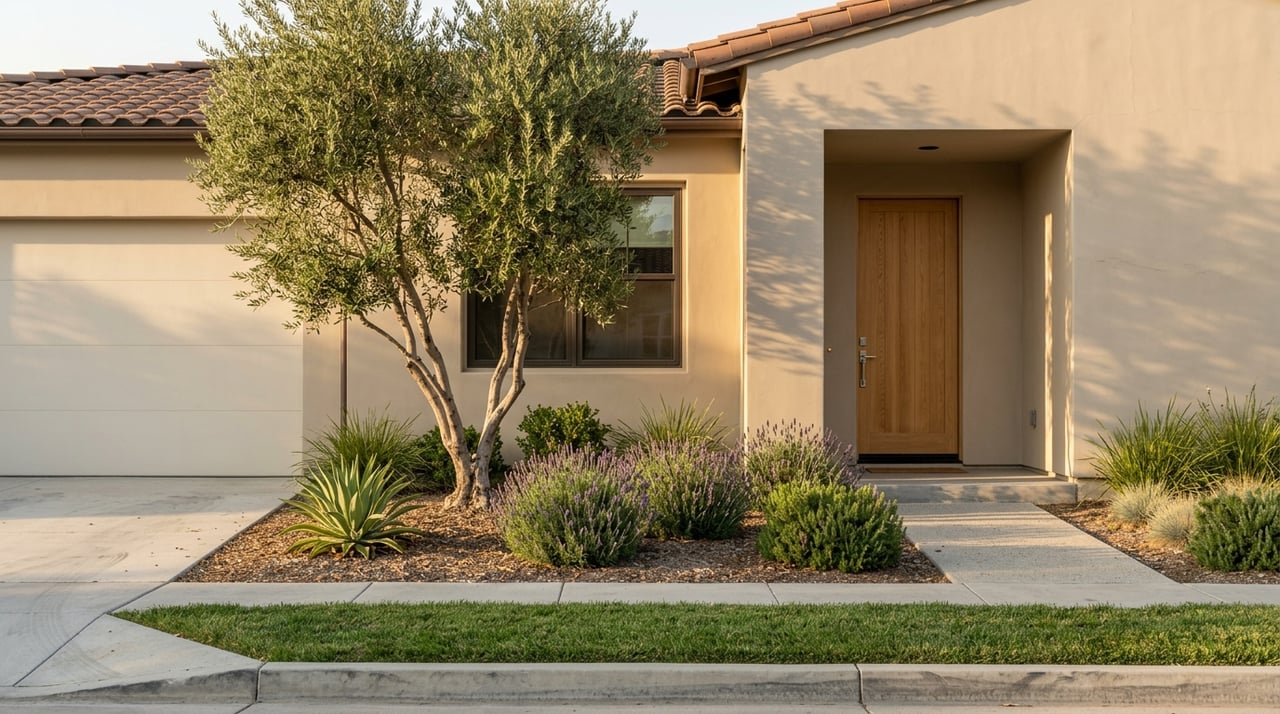
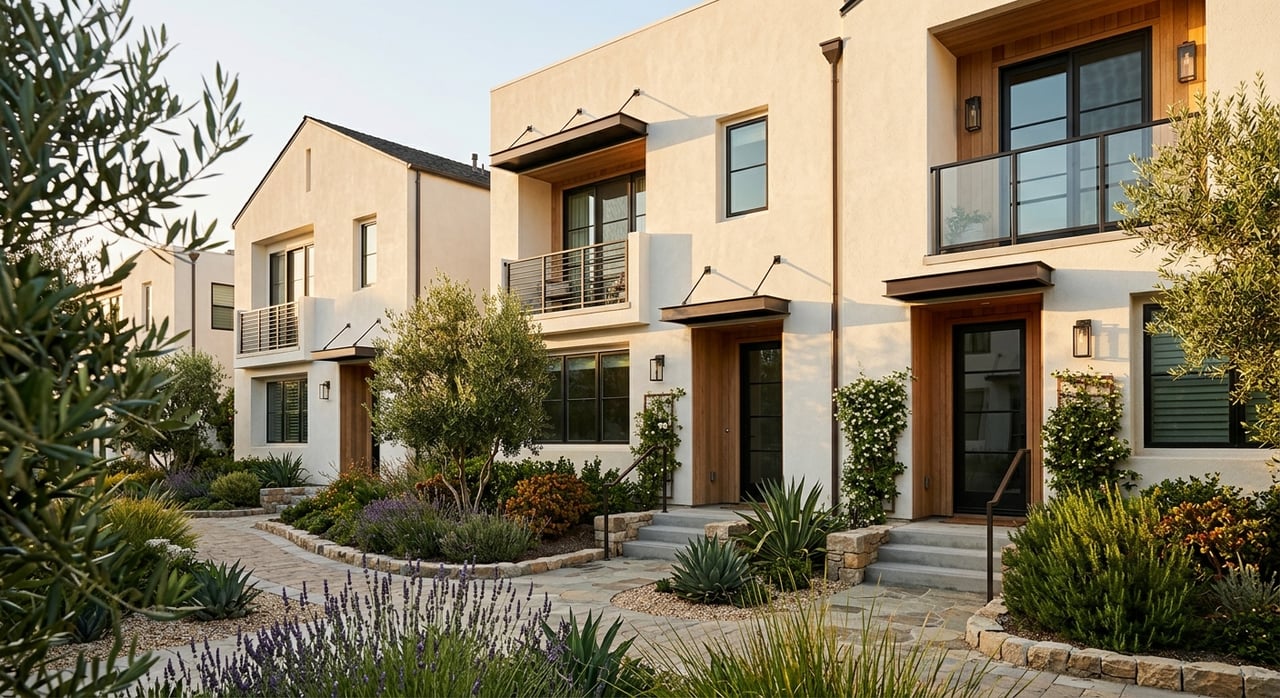
Curb appeal is part of your marketing, not an extra task to think about later. Buyers start forming opinions the moment they pull up to the property or scroll through the first exterior photo.
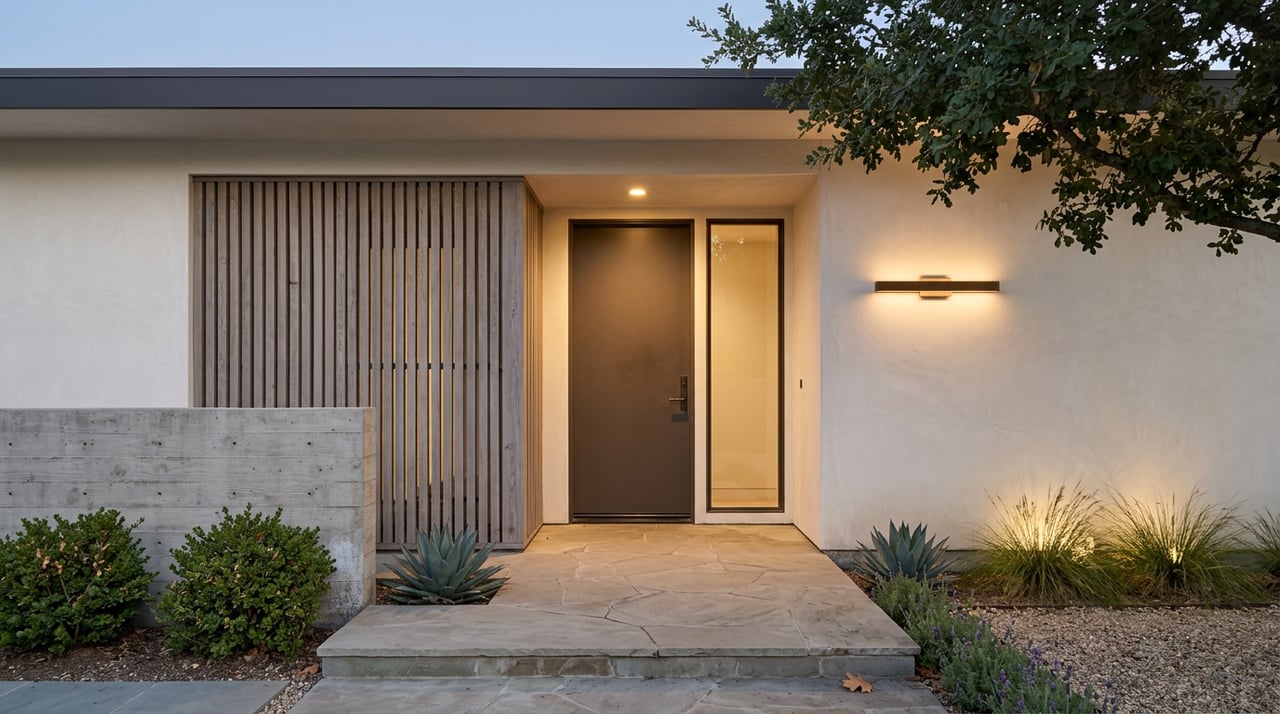
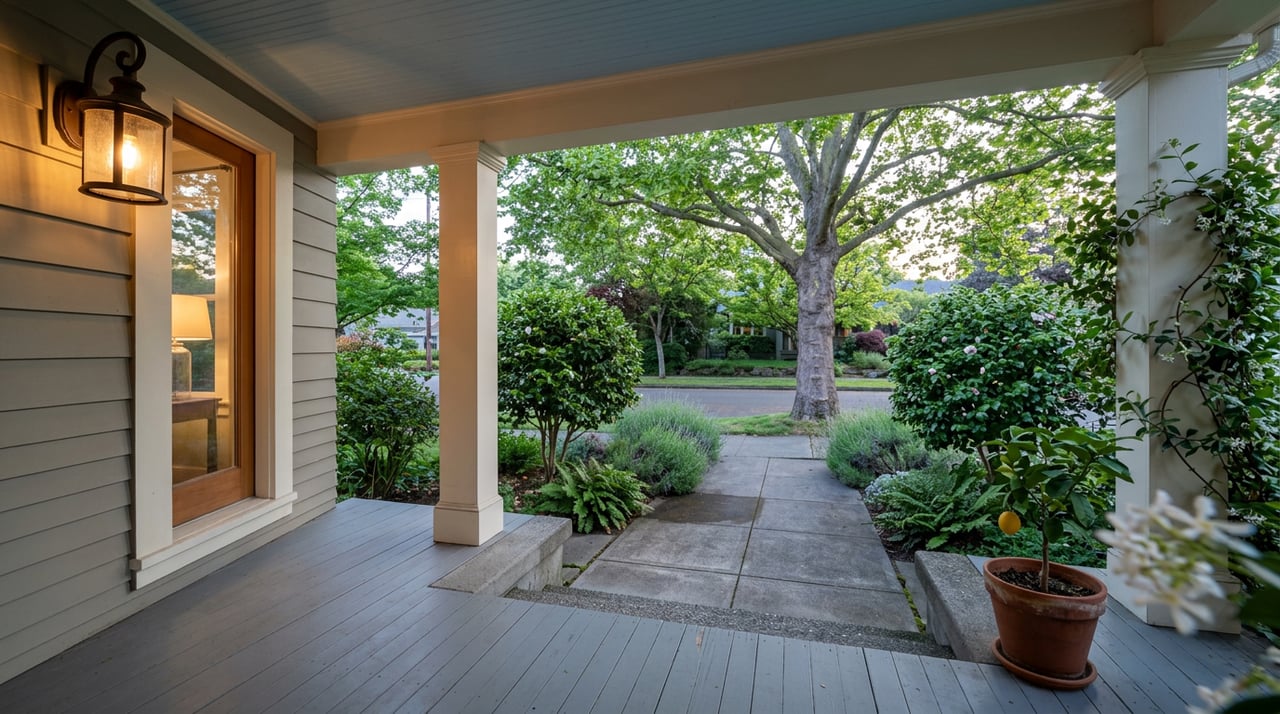
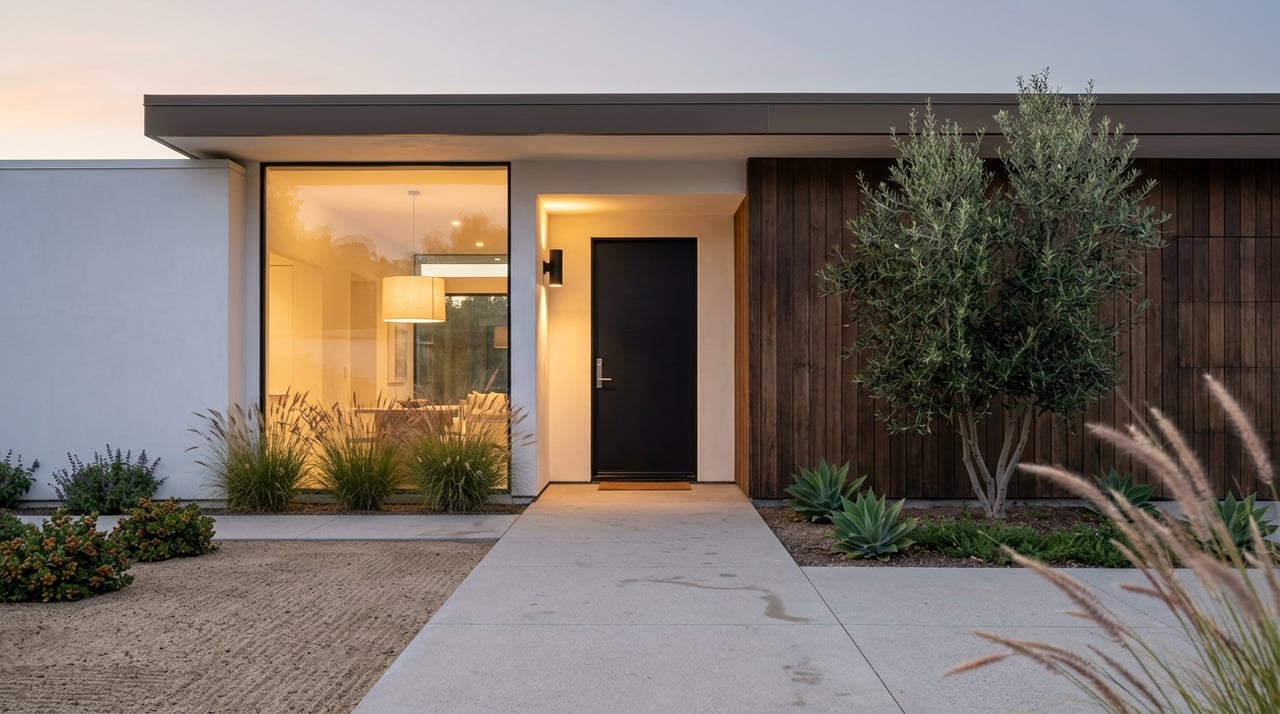
Trim landscaping, clear walkways, remove yard clutter, and make the front entry look clean and inviting. A fresh-looking front door, tidy porch, and well-maintained exterior can improve that all-important first impression.
If a specific defect needs attention, address it. But if you are considering a large renovation just to chase a higher price, it is usually wise to pause and evaluate whether the cost, disruption, and timeline make sense.
For many sellers, especially in a balanced market, the better strategy is to invest in visible, buyer-facing improvements and a strong launch. That often creates more value than over-improving a home for the neighborhood or the moment.
Staging does not have to mean furnishing every square foot of the house. According to recent industry research, staging can help reduce time on market and may improve the dollar value offered, but sellers often get the best results by focusing on the spaces buyers care about most.
The top rooms to prioritize are:
These spaces shape how buyers imagine everyday life in the home. If your budget is limited, start there and build outward only if needed.
Your goal is not to make the home look fancy for the sake of it. The goal is to make it feel open, bright, functional, and easy to picture living in.
That may mean removing oversized furniture, adding light accessories, improving layout flow, and making sure each room has a clear purpose. In many homes, less furniture and better arrangement can do more than buying new decor.
Professional presentation is critical because many buyers will see your home online before they ever step inside. Research shows buyers place high importance on photos, videos, and virtual tours, so your listing launch should be treated as a marketing event, not just a date on the calendar.
That means you should complete cleaning, repairs, curb appeal work, and staging before photography is scheduled. Listing first and planning to fix things later can weaken your first wave of attention, which is often the most valuable.
In La Verne, homes are still selling close to asking price on average, but that does not mean every list price will be supported by buyers. A strong result usually comes from pricing against current comparable sales and current market conditions, not your renovation budget or sentimental attachment.
This is especially important in a market where negotiation remains part of the process. Seller research shows many homeowners expect to get asking price or more, but a notable share also anticipates concessions, which is a reminder that realistic pricing and preparation still matter.
One of the smartest ways to reduce stress before listing is to start your disclosure package early. In California, sellers of residential property generally need to provide a Real Estate Transfer Disclosure Statement, often called a TDS.
The California Department of Real Estate says the TDS is a condition disclosure, not a warranty, and it should be delivered to the buyer as soon as practicable before transfer of title. Sellers are also expected to disclose known defects, environmental hazards, and room additions, structural modifications, or repairs completed without required permits.
Natural hazard disclosures can apply if a property is located in certain mapped hazard areas, such as special flood hazard areas, very high fire hazard severity zones, wildland fire areas, earthquake fault zones, or seismic hazard zones.
Even if you are unsure whether the property falls within a mapped zone, ordering the report early can help avoid closing delays. For sellers, this is one of those behind-the-scenes tasks that is much easier to handle before offers arrive.
If your home was built before 1978, lead-based paint disclosure rules apply. Sellers must disclose known lead-based paint information, and buyers must be given a 10-day opportunity to conduct a lead inspection or risk assessment unless that period is changed by written agreement.
If your home falls into this age category, it is wise to flag that early in your prep timeline so nothing gets missed.
California sellers also need to pay attention to certain safety-related certifications and statements. The state requires certification that the water heater is braced, anchored, or strapped for earthquake safety, and sellers of single-family dwellings must provide a written smoke-detector compliance statement.
These may seem like small items, but they are part of a well-managed transaction. Taking care of them early can help your sale move more smoothly once escrow begins.
If you are selling in La Verne, it is also helpful to understand how supplemental property taxes can affect the closing process in Los Angeles County. The county notes that supplemental taxes are generally not covered by impound accounts and may need to be prorated between seller and buyer depending on when the bill is issued.
This is not the kind of detail most sellers think about at the beginning, but it is exactly why early planning matters. When you know what paperwork and closing issues may come up, you can avoid surprises later.
If you want a simple roadmap, this sequence makes sense in today’s market:
Preparing your La Verne home to sell is not about making it flawless. It is about making smart decisions that help buyers see the value of your home clearly and helping your sale stay on track from listing to closing.
When you focus on condition, presentation, pricing, and documentation early, you put yourself in a stronger position. That can lead to better first impressions, cleaner negotiations, and a more predictable experience overall.
If you are thinking about selling and want a clear, personalized plan, Cornerstone Realty Group can help you prepare, price, and market your home with care and local insight.

Navigating the journey of buying or selling a home can be a breeze when you've got the right expert by your side. We're here to simplify the process for you, tackling all your questions with honesty and dedication. Even if we don’t have an immediate answer, we promise to find it for you. Let's make your real estate experience smooth and stress-free together!
299 W FOOTHILL BLVD STE 212 UPLAND CA 91786 Yolanda Andrade | CA DRE# 01748163