Historic Homes in Upland: A Guide to Local Character
Looking for a home with real personality in Upland? If you are drawn to original porches, vintage woodwork, classic rooflines, or a street with a strong sense of history, Upland offers more than just newer suburban housing. The key is knowing where to look, what makes a home historically significant, and what ownership may involve. Let’s dive in.
Upland has a deep preservation story that shapes its housing character today. Community preservation efforts date back decades, with Upland Heritage forming in 1989, a historic resources survey adopted in 1991, and the Historic Preservation Ordinance following in 1993.
The city connects its historic identity to Tongva heritage, citrus-era growth in the late 1800s, the Chaffey brothers’ planning along Euclid Avenue, and incorporation in 1906. Today, Upland reports 9 locally designated historic districts and more than 580 properties on its local historic and cultural register.
That matters if you are shopping for charm and originality. In Upland, historic and character homes are not limited to one small pocket. The city’s designated districts are mostly residential and span several periods of significance, including 1888 to 1938, 1895 to 1936, and 1896 to 1925.
Not every appealing older home is formally designated, and not every designated home looks the same. In Upland, a character home may stand out because of its architecture, period details, setting, or how well it reflects the city’s earlier development.
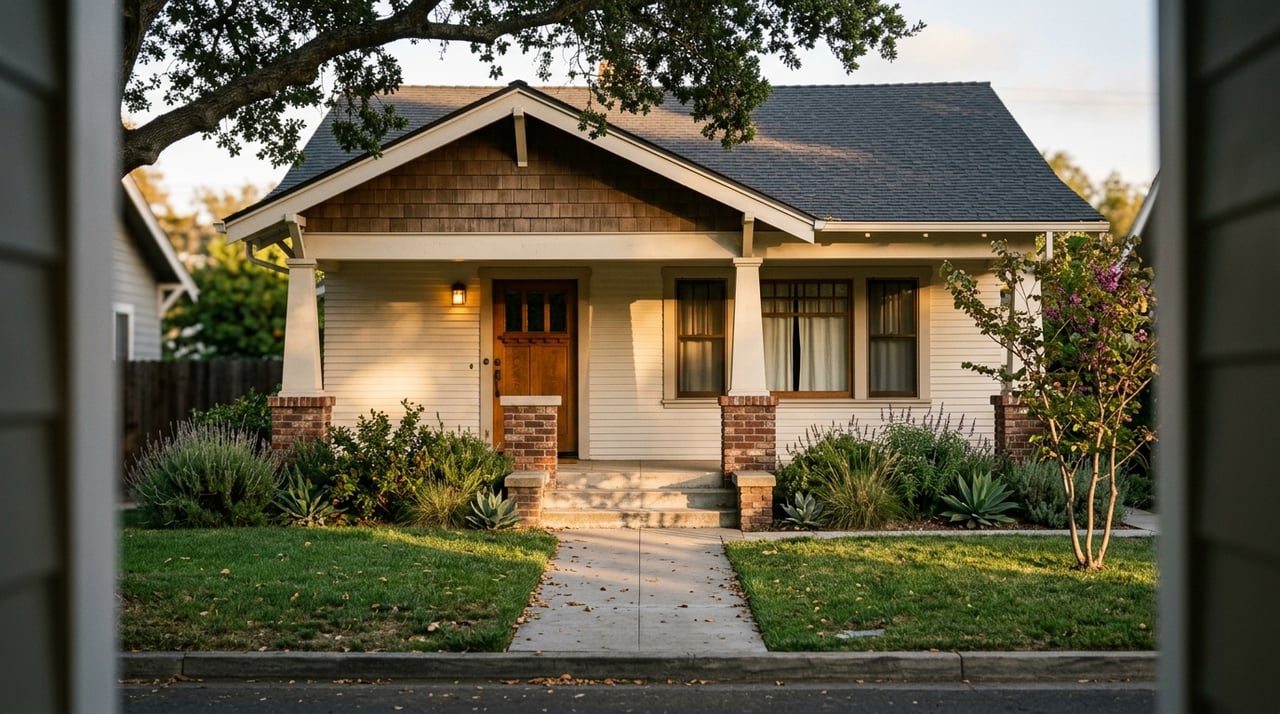
The city’s historic resources list shows a wide range of styles and eras. You may come across late Queen Anne homes from the 1890s, Shingle Style residences from the 1890s, Craftsman homes from the 1900s and 1910s, and bungalow homes from the 1920s.
You can also find Spanish Colonial Revival, Mission Revival, English Revival, Tudor Revival, Monterey Revival, Mediterranean, American Colonial Revival, and American Foursquare examples dating from the 1920s through the 1940s. That variety gives buyers a broad search field, whether you like decorative Victorian-era details or simpler early 20th-century forms.
Part of the fun of touring historic homes is learning to spot the details that give each style its identity. In Upland, the city’s historic-home records describe features that help bring these homes to life.
A late Queen Anne example includes clapboard siding, a porch, stone rails, and a distinctive period profile. A Craftsman-influenced bungalow is described with a cobblestone foundation, narrow clapboard siding, and a bracketed hood.
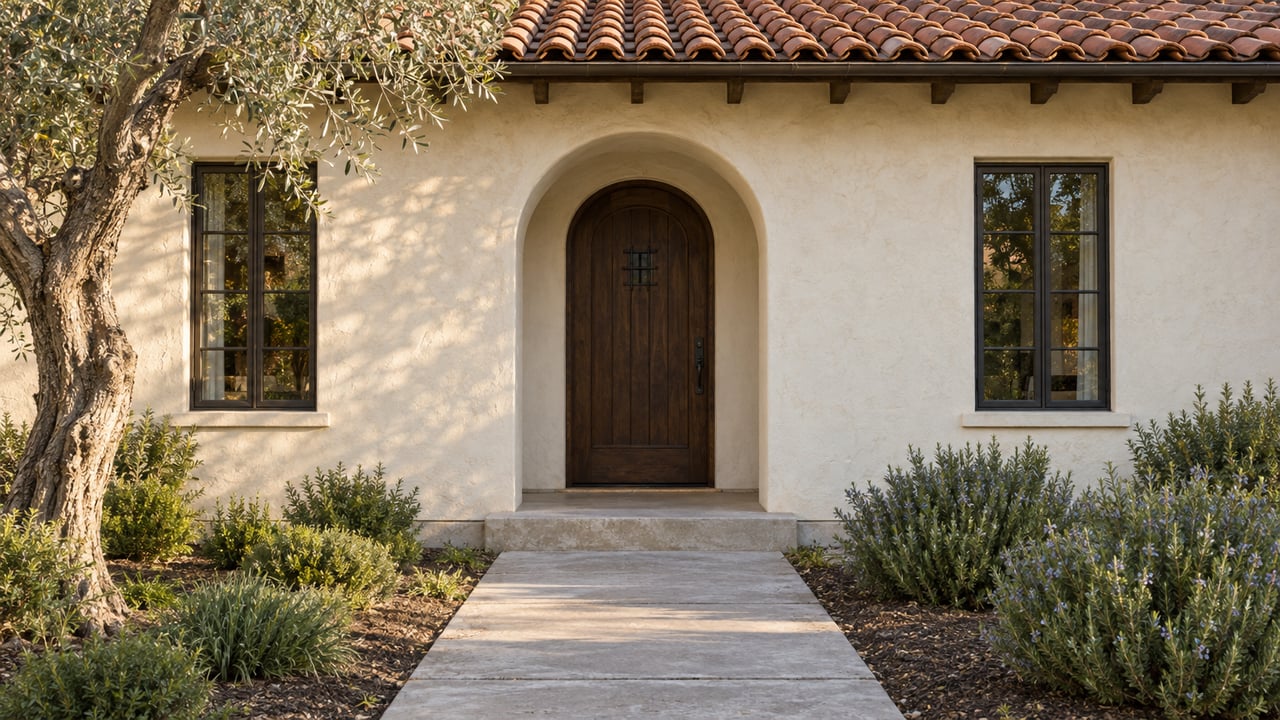
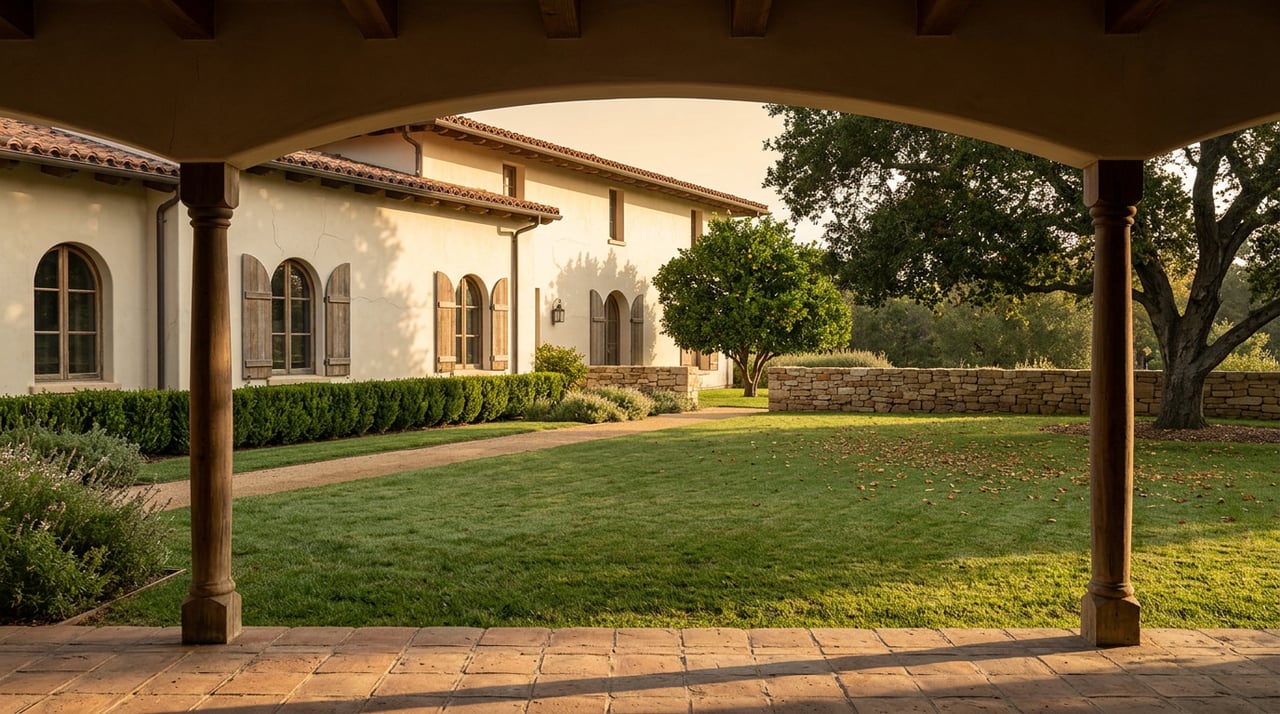
Spanish Colonial Revival homes often feature stucco walls, tile roofs, and arched openings. If you enjoy comparing homes as you tour, these exterior details can help you understand what you are seeing and which style fits your taste.
Upland is not a city made up mostly of prewar housing, but older homes still play an important role in the local housing mix. According to SCAG local housing data, 3.8% of Upland housing units were built in 1939 or earlier, and 3.4% were built between 1940 and 1949.
The housing stock expands more heavily in later decades, with 11.5% built in the 1950s, 16.6% in the 1960s, and 24.7% in the 1970s. For buyers, that means truly historic homes are a distinct segment of the market rather than the default option.
This can make the search more intentional. If your goal is a home with original design character, period architecture, or potential historic significance, it helps to search beyond general listing photos and focus on age, style, and designation status.
One of the best tools for exploring historic and character homes in Upland is the city’s Historic Resources List. Because it is address-based and includes year, style, and district information, it gives you a more precise way to narrow your search.
A practical workflow often looks like this:
This approach helps you separate a home that simply feels old from one that has recognized historic status. It can also help you spot homes with architectural character even if they are not the oldest option on the market.
When you fall in love with an older home, designation status is one of the first things to understand. A property may be individually listed, located within a designated historic district, or not formally designated at all.
That difference can affect future projects. In Upland, exterior modifications that alter a historic resource’s appearance require a Certificate of Appropriateness.
The city also directs owners to the Secretary of the Interior’s Standards. These standards emphasize keeping a property’s historic character, repairing instead of replacing deteriorated features when possible, and avoiding changes that create a false sense of history.
Owning a historic home can be rewarding, but it is not exactly the same as owning a standard tract home. If you are planning updates, especially to the exterior, you will want to understand the city’s review process early.
That does not mean you cannot improve the property. It means changes should respect the home’s defining features and overall appearance.
If preserving original details matters to you, that can be part of the appeal. If your priority is extensive exterior redesign, it is better to know the rules before you buy.
For some buyers, the Mills Act is part of the conversation. California describes the Mills Act as the state’s key economic incentive program for preserving qualified historic buildings, and local governments administer it.
In Upland, a property must already be on a federal, state, or local register, or be within a designated historic district, to qualify. California also notes that Mills Act contracts generally start at 10 years and remain with the property after transfer.
That long-term structure is important if you are evaluating a purchase. A Mills Act property may come with benefits, but it also reflects an ongoing preservation commitment tied to the home itself.
Historic charm should always be balanced with careful due diligence. Older homes can have features and materials that need closer review before closing.
For homes built before 1978, lead-based paint disclosure rules may apply. The EPA states that most housing built before 1978 is covered by the federal lead disclosure rule, sellers and agents must disclose known lead-based paint information before sale or lease, and buyers receive a 10-day opportunity to inspect or assess for lead hazards.
Termite review is another smart step in California. UC IPM notes that many subterranean termite problems are discovered during real estate inspections or remodels, and homes with a history of subterranean termite issues should be professionally inspected every several years.
When you walk through a historic or character home in Upland, try to look beyond surface finishes. Fresh paint and staging matter, but the more lasting value often shows up in the home’s architecture, layout, and preserved details.
As you tour, pay attention to:
Upland’s local designation criteria are broad, which is helpful for buyers. A home may be significant for architectural value, association with historic people or events, the work of a notable designer or builder, or distinctive visual or neighborhood character.
Historic properties sometimes come to market during major life changes, including estate transitions, downsizing, or trust-related sales. In these situations, buyers and sellers often need extra clarity around records, property condition, and improvement history.
That is one reason local guidance matters. A well-managed transaction can help you understand designation status, city process questions, and due-diligence priorities before small issues become bigger ones.
For sellers, especially families handling a long-held property, preparation can also make a major difference. Clear documentation, thoughtful presentation, and realistic planning can help a historic home’s value and story come through to the right buyer.
Because Upland’s historic-home market is spread across multiple older areas and includes many different styles, a one-size-fits-all search strategy rarely works. A bungalow from the 1920s, a Queen Anne residence from the 1890s, and a Spanish Colonial Revival home from the 1930s may each raise different questions.
That is why local, detail-oriented support can be so helpful. When you understand how to research a home’s age, style, district status, and renovation rules, you can make decisions with more confidence and fewer surprises.
If you are exploring historic and character homes in Upland, or preparing to sell one, Cornerstone Realty Group can help you build a personalized plan with clear guidance every step of the way.

Navigating the journey of buying or selling a home can be a breeze when you've got the right expert by your side. We're here to simplify the process for you, tackling all your questions with honesty and dedication. Even if we don’t have an immediate answer, we promise to find it for you. Let's make your real estate experience smooth and stress-free together!
299 W FOOTHILL BLVD STE 212 UPLAND CA 91786 Yolanda Andrade | CA DRE# 01748163