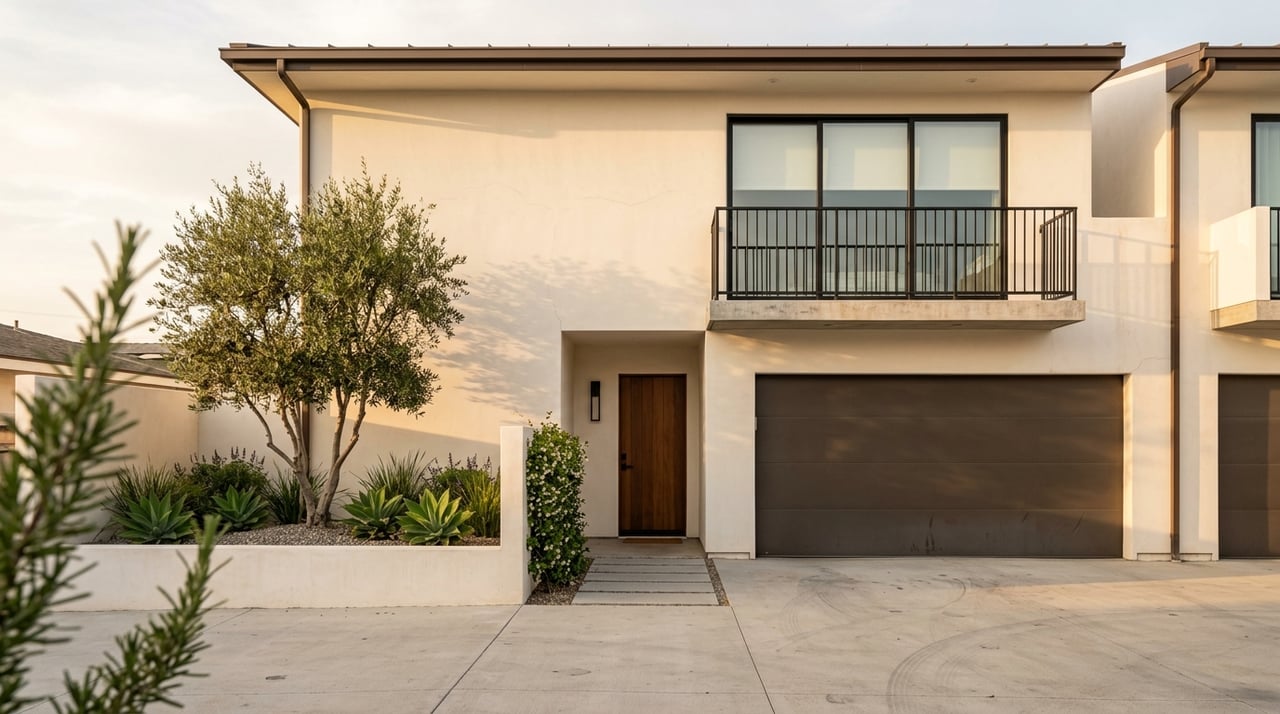
Upland Condos Versus Single-Family Homes
Trying to decide between a condo and a single-family home in Upland? You are not alone. For many buyers, the choice comes down to a mix of budget, lifestyle, maintenance, and long-term plans. The good news is that Upland offers options on both sides, and understanding the trade-offs can help you make a more confident move. Let’s dive in.
If you are comparing condos versus single-family homes in Upland, the first thing you will likely notice is the price difference. Redfin currently shows condos for sale in Upland at a median listing price of about $628,000, while a current Redfin single-story-home snapshot, used as a rough detached-home pricing proxy, shows a median listing price of about $816,000.
That is a difference of roughly $188,000, or about 23% less for condos based on those snapshots. Zillow also shows active single-family homes in Upland ranging from about $575,000 to well over $1 million, which shows how wide the detached-home market can be.
For many buyers, that lower condo entry point can make homeownership feel more realistic. It may also leave more room in your budget for savings, repairs, or other monthly expenses.
The broader Upland market remains active. Redfin’s March 2026 city snapshot shows a median sale price of $769,250, homes spending about 42 days on market, and around 4 offers on average.
Zillow’s March 31, 2026 update shows an average home value of $825,789, homes going pending in about 19 days, and 138 homes for sale. In simple terms, buyers still need to be prepared, whether you are shopping for a condo or a detached house.
That matters because a lower-priced condo is not automatically an easy purchase. In a tight market, homes at more accessible price points can still attract strong interest.
Not all condos in Upland are priced the same. Redfin neighborhood medians show condo pricing around $543,000 in Historic Downtown Upland, about $558,000 in the Citrus Transportation Historic District, about $687,000 in Upland Hills, and about $697,000 in Upland Crossing.
Those numbers show that location, setting, and community features can shift the condo value equation. A condo in one area may feel like a starter option, while another may compete more directly with lower-priced detached homes.
This is one reason side-by-side comparisons matter. Looking at the property type alone will not tell you the full story.
For buyers focused on getting into the market, condos often stand out because of the upfront price difference. Current active condo examples in Upland range from around $425,000 to $450,000 at the low end, with others around $529,900 and up to about $840,000 in newer, amenity-rich settings.
That range gives you more flexibility if your goal is to own in Upland without stretching into higher detached-home pricing. If you are a first-time buyer, downsizer, or someone who wants a smaller footprint, that can be appealing.
The City of Upland also states that its affordable housing programs can apply to single-family homes, condominiums, and townhomes. Its First Time Homebuyer Program offers down-payment assistance as a silent second loan of up to 30% of the purchase price for an affordable home.
A lower purchase price does not always mean lower total cost. One current Upland condo listing shows a $365 monthly HOA fee, and HOA dues can change the monthly math in a big way.
When you compare a condo with a single-family home, it helps to look at the full carrying cost, not just the sales price. HOA dues, reserve funding, insurance-related costs, and the possibility of special assessments can narrow the gap between the two property types.
That is especially important if you are shopping near the top of your budget. A home that looks affordable at first glance may feel different once all monthly obligations are added together.
In California, condos are commonly part of a common-interest development governed by a homeowners association. The California Department of Real Estate says these communities are generally subject to recorded CC&Rs and automatic HOA membership.
That means you are usually buying more than the interior space of the unit. The DRE explains that condo projects include separate interests plus common area, and some features like private yards, driveways, or parking spaces may be classified as exclusive-use common area.
In practical terms, this often means less exterior maintenance for you. It also means more shared rules and more community-level decision-making than many buyers expect.
Detached homes often appeal to buyers who want more privacy, yard space, parking flexibility, or more freedom to remodel. If those factors matter a lot in your day-to-day life, a single-family home may be the better fit.
That said, not every detached home is free of HOA oversight. The California Attorney General notes that HOAs can govern subdivisions, planned communities, and condominium buildings, so it is smart to review the actual property documents instead of assuming the home type tells you everything.
This is where a careful property-by-property review helps. Two homes with the same price can come with very different levels of flexibility and responsibility.
If you are considering a condo, the HOA budget and reserve history deserve a close look. The California Department of Real Estate says HOA budgets rely on regular assessments, reserves, and sometimes special assessments for major or unexpected costs.
The same DRE guidance notes that delinquent assessments can become liens, and annual HOA financial reports must be distributed to members. For buyers, that makes reserve studies, budgets, and assessment history especially important.
A condo community with healthy reserves may feel very different from one that is underfunded. This can affect both your monthly costs and your comfort level as an owner.
California law adds another important layer for some condo communities. Civil Code section 5551 requires condo buildings with balconies, walkways, or similar exterior elevated elements to undergo a visual inspection at least every nine years, with the first inspection due by January 1, 2025.
For buyers, that means the HOA’s inspection record and maintenance planning matter even more. If repairs are needed, future costs may show up through reserves, increased dues, or special assessments.
This does not mean condos are a bad choice. It simply means you should review the community’s financial and maintenance picture with care before you commit.
From an equity standpoint, condos are often the lower-entry option, but they can also be more sensitive to rising HOA fees, insurance costs, special assessments, and financing friction. In contrast, detached homes often attract buyers who place a premium on privacy, space, and control.
That does not mean one property type is always better for resale. It means your best choice depends on your timeline, budget, and how much risk or complexity you are comfortable managing.
In Upland, this comparison is likely to stay relevant. The city’s 2021 to 2029 Housing Element allocates 5,686 units and notes ongoing planning for future multifamily infill projects in zones that allow two or more dwelling units.
A condo may be a strong fit if you want:
A single-family home may be a better fit if you want:
If you are downsizing, buying your first home, relocating, or sorting through a major life transition, this choice can feel bigger than just numbers on paper. The right answer is the one that supports your budget, your lifestyle, and your peace of mind.
Before you decide, it helps to compare each option in a structured way. Focus on the questions that shape both affordability and daily living.
Here are a few smart questions to ask:
A clear comparison can help you avoid choosing based on sticker price alone. It can also help you feel more certain about what you are really buying.
Choosing between a condo and a single-family home in Upland is rarely about one being universally better than the other. It is about matching the property to your budget, your comfort with maintenance, and the kind of ownership experience you want. If you want guidance that is local, practical, and tailored to your goals, Cornerstone Realty Group can help you compare your options and build a personalized plan.

Navigating the journey of buying or selling a home can be a breeze when you've got the right expert by your side. We're here to simplify the process for you, tackling all your questions with honesty and dedication. Even if we don’t have an immediate answer, we promise to find it for you. Let's make your real estate experience smooth and stress-free together!

299 W FOOTHILL BLVD STE 212 UPLAND CA 91786 Yolanda Andrade | CA DRE# 01748163