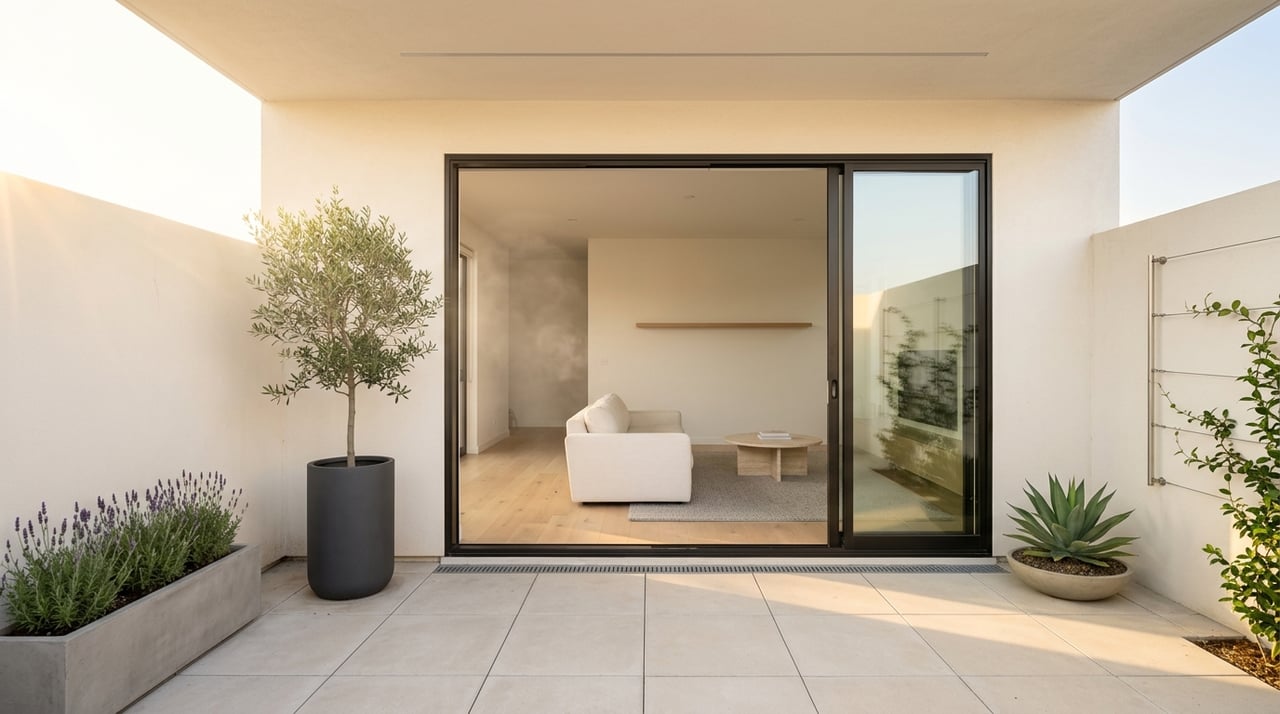
Downsizing Your Home In Upland
Thinking about downsizing your home in Upland? You are not alone, and you are not just making a square-footage decision. For many homeowners, this move is tied to retirement plans, lower-maintenance living, a major life transition, or the desire to turn home equity into flexibility. The good news is that with the right plan, you can simplify your next chapter without feeling rushed. Let’s dive in.
Upland has a strong base of longtime homeowners, and many may be sitting on substantial equity. According to U.S. Census QuickFacts for Upland, the city had 79,684 residents in 2024, 27,402 households, a 57.1% owner-occupied housing rate, and a median owner-occupied home value of $739,400.
That local context matters if you have owned your home for many years. In the same market, homes can still move quickly. The research report notes Zillow’s Upland home value index at $815,217 as of February 28, 2026, with 129 homes for sale and homes going pending in about 23 days, which supports the idea that early planning can make a big difference.
Downsizing is often less about giving something up and more about choosing what fits your life now. You may want fewer stairs, less yard work, lower utility costs, or a home layout that is easier to manage day to day.
You may also want to free up cash, reduce upkeep, or move closer to the routines that matter most. If you have built equity over time, downsizing can help you turn that equity into a more manageable housing payment or a simpler lifestyle.
Before you look at homes, define what “smaller” or “easier” actually means for you. Some homeowners want a single-story home. Others want a condo or townhome with less exterior maintenance. Some want to stay in Upland, while others are open to another part of California.
Ask yourself a few practical questions:
When your goals are clear, your home search becomes much more focused.
If you are downsizing in Upland, you do have more than one path. You do not have to assume the next move means renting or leaving the area.
According to Redfin’s Upland city guide, median sale prices show a meaningful gap by property type:
| Property Type | Median Sale Price |
|---|---|
| Single-family home | $840,000 |
| Townhouse | $657,495 |
| Condo/co-op | $505,000 |
That price spread can help frame your options. A condo or townhome may offer a lower purchase price and less maintenance than a detached home, but you will still want to weigh square footage, storage, parking, layout, and HOA fees.
For many homeowners, the answer depends less on timing the market perfectly and more on timing your life well. If you have strong equity, a clear budget, and a plan for your next home, this can be a good environment to make a move.
The reason is simple. Upland homeowners may have gained significant value over time, but replacement homes can also move fast. That creates a need for careful planning around pricing, timing, and where you will go next.
Upland is also continuing to shape future housing supply. The city’s 2021-2029 Housing Element update notes a housing allocation of 5,686 units, and the state certified the city’s 6th Cycle Housing Element in December 2025. The city is also working on multifamily objective design standards, which may support more lower-maintenance housing choices over time.
For many California homeowners age 55 and older, Proposition 19 is one of the most important parts of the downsizing conversation. According to the California Board of Equalization, eligible homeowners age 55+ or physically and permanently disabled can transfer their taxable value to a replacement principal residence anywhere in California, up to three times.
If your replacement home is equal to or less than the market value of the home you sold, your original taxable value transfers without adjustment. If the replacement home costs more, the difference in value is added to the transferred taxable value.
This rule can be especially helpful if you want to move without losing the benefit of a long-held tax base. It is one of the biggest reasons to include tax planning early in your downsizing timeline.
According to the Board of Equalization’s Proposition 19 guidance:
If your replacement home is in San Bernardino County, the San Bernardino County Assessor’s Proposition 19 page provides claim forms and filing details.
This is one of the biggest stress points for downsizers, and there is no one-size-fits-all answer. The right order depends on your finances, your comfort level, and how specific your replacement-home needs are.
Selling first can give you a clear budget and reduce the risk of carrying two homes at once. Buying first may make sense if you need more control over your move or want time to settle into the next home before leaving the current one.
If Proposition 19 is part of your plan, remember that buying first may create a period where taxes are based on the new home’s full market value until your original home sells. That is an important cash-flow detail to discuss before you commit.
Downsizing is usually easier when you treat it like a project, not a weekend event. If you have lived in your home for many years, the emotional work often takes longer than the physical packing.
Start one room at a time. A simple system can help you keep momentum without feeling overwhelmed.
Create five categories as you sort:
This approach works well for paper files, photos, older electronics, and sentimental items. It also helps you avoid moving things you no longer need.
Focus first on items that affect safety, function, or buyer confidence. Deferred maintenance, obvious repair issues, and anything that makes the home feel less cared for should move to the top of the list.
Then gather the paperwork buyers often ask about, such as permits, warranties, appliance manuals, HOA materials, and service records. That kind of preparation can reduce delays once your home is on the market.
A clean, well-presented home helps buyers understand the space and visualize how it lives. That usually means deep cleaning, decluttering, and creating a simple, polished look before photos and showings begin.
For many downsizers, this is where hands-on guidance matters most. A clear prep plan can help you decide what to do first, what to skip, and how to stay on schedule without burning out.
Downsizing is a financial move, but it is also personal. Many sellers are leaving a home where they raised children, hosted holidays, or cared for loved ones.
That is why it helps to build in extra time for keepsakes, family handoffs, and decisions that cannot be rushed. The National Association of Realtors reports that the typical home seller in 2025 was 64 years old, had owned the home for 11 years, and 91% used a real estate agent. That reflects how common it is for this stage of life to involve both practical complexity and emotional weight.
If you want to stay connected during a major transition, Upland offers helpful local resources. The George M. Gibson Senior Center serves more than 3,500 seniors each month, offers lunch five days a week, runs more than 40 classes and activities weekly, and provides free AARP Tax-Aide and AARP 55 Driver Safety courses.
That kind of support can matter more than people expect during a move. It gives you a place for routine, social connection, and practical help while you are making decisions about your next chapter.
The smoothest downsizing moves usually start earlier than expected. A strong plan often includes your home value estimate, your target budget, your timeline, your tax questions, and a realistic prep strategy for your current home.
When you map out those pieces in advance, you can make decisions with more confidence and less pressure. You do not have to do everything at once, but you do want the right order.
If you are thinking about downsizing your home in Upland, the best first step is a personalized plan built around your goals, timing, and property. Cornerstone Realty Group offers thoughtful guidance, local market insight, and hands-on support to help you move forward with clarity.



Navigating the journey of buying or selling a home can be a breeze when you've got the right expert by your side. We're here to simplify the process for you, tackling all your questions with honesty and dedication. Even if we don’t have an immediate answer, we promise to find it for you. Let's make your real estate experience smooth and stress-free together!
299 W FOOTHILL BLVD STE 212 UPLAND CA 91786 Yolanda Andrade | CA DRE# 01748163