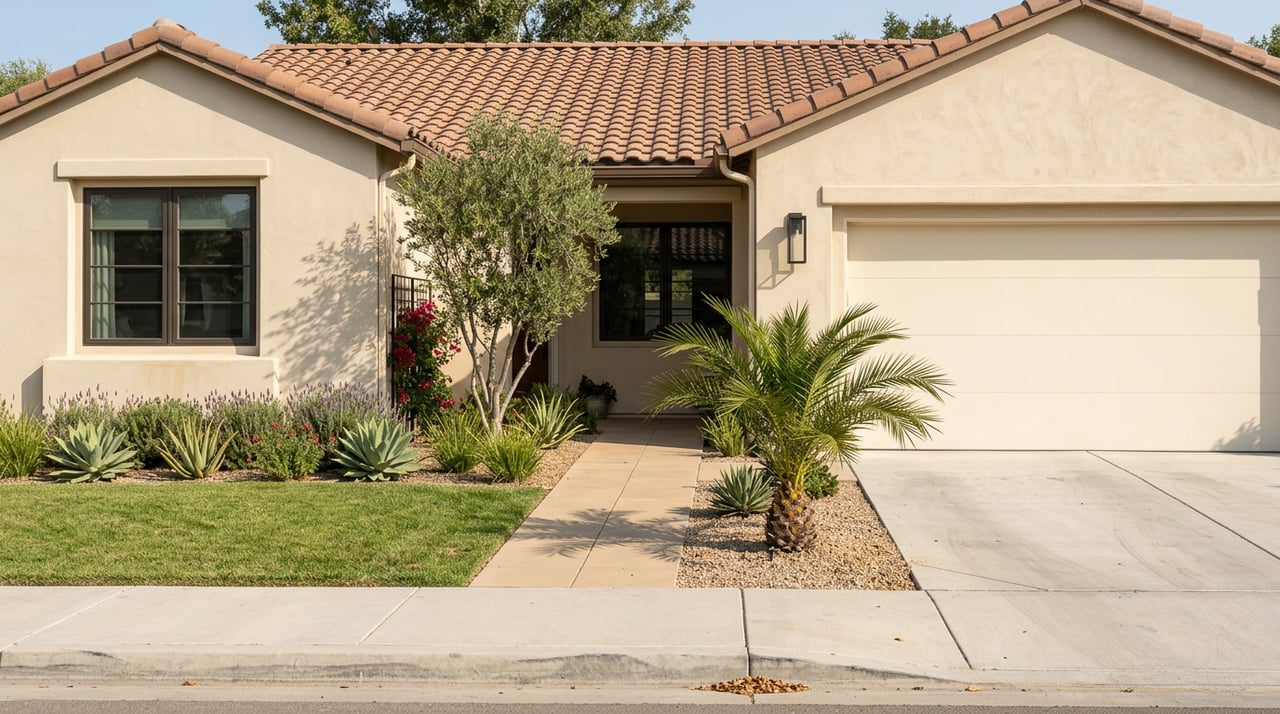
La Verne vs Claremont Homes: A 2026 Buyer’s Guide
Trying to decide between La Verne and Claremont? You are not alone. Both cities sit at the base of the San Gabriels with a similar price band, strong community pride, and great access to SoCal life. Still, they feel different on the ground. In this guide, you’ll get a side‑by‑side look at prices, lot sizes, schools, commute options, neighborhood vibe, and the nitty‑gritty tax checks that matter before you write an offer. Let’s dive in.
If you check more than one site, you’ll notice the numbers don’t always match. That is normal. Different data sets and time frames can shift the headline figure.
What should you take from the split? Treat it as a range rather than a hard number. Small cities can swing month to month based on a handful of sales. The key is to compare homes by neighborhood, size, and condition within the same time frame.
Inventory in both cities is tight, often measured in dozens of listings at a time. Within each city, micro‑markets drive real differences. In Claremont, homes close to the Village and the colleges, and historic pockets like Old Claremont, can command premiums. In La Verne, hillside areas such as North La Verne and Claraboya often price above more central neighborhoods. When you compare, pull recent closed sales for a like‑kind house within a half‑mile radius and a 3–6 month window.
If lot size matters to you, zoning history helps explain what you see on the ground.
This does not mean every home in Claremont sits on a large lot or that every La Verne property is smaller. It does mean that original subdivision patterns often yield larger lots in Claremont’s RS neighborhoods, while La Verne offers a broader mix, including many mid‑size parcels and some larger hillside estates. For any address, confirm lot size through parcel records and plan your search by neighborhood, not just by city name.
Both cities are served by strong public school systems. Claremont Unified reports solid district‑level outcomes and high graduation rates in recent years. Bonita Unified, which serves La Verne, has highlighted gains on statewide CAASPP measures and shows positive trends in K–8 outcomes. For district performance context, you can review Bonita Unified’s CAASPP dashboard.
What matters most for your move is school‑by‑school verification:
Use district boundary tools and recent CAASPP data before you write offers that hinge on school assignment. Your agent can help you pull current, address‑specific information during the offer stage.
Your daily route can be the tie‑breaker.
Citywide averages suggest that mean commute times run a bit shorter in Claremont than La Verne, but your result will depend on your destination and mode. If transit access matters, ride the train at your target commute hour. If you drive, test your route on a weekday morning and evening to gauge real‑world patterns.
Claremont reads like a classic college town. The Village offers walkable shops and dining, and the Claremont Colleges bring concerts, talks, museums, and a steady calendar of cultural programming. Streets near the core feel leafy and historic, with many early‑to‑mid 20th‑century homes.
La Verne centers around Old Town’s small‑business corridor and community events, plus the University of La Verne’s campus energy. The city sits next to Fairplex, home to the LA County Fair and year‑round shows, which adds big‑event convenience without a long drive. Housing ranges from charming Old Town cottages to mid‑century tracts and hillside properties with views.
Both cities offer quick access to foothill trails and parks. If you like a relaxed, tree‑lined pace with a tight Village feel, Claremont may resonate. If you want a family‑friendly suburb with growing rail access and big‑event proximity, La Verne may fit.
In California, the base property tax rate is about 1 percent, with voter‑approved assessments and potential Mello‑Roos/special district taxes added on some parcels. These special taxes are not citywide. They are subdivision or parcel specific.
Before you buy, review the property tax bill and preliminary title report for the exact parcel. If a Community Facilities District (CFD) applies, request the Rate and Method document to understand the charge. The LA County Treasurer and Tax Collector explains how secured property taxes and special assessments work on the County FAQs page.
You do not have to make this decision alone. Our team knows these streets, the micro‑markets, and the fine print that protects you in escrow. We combine neighborhood insight with disciplined contract management so your move feels confident and well‑timed. If you are juggling a buy‑sell, navigating a trust or probate, or planning a senior move, we’ll build a plan that fits your timeline and priorities.
Curious which city fits your life and budget better? Connect with Cornerstone Realty Group for a local consultation, a neighborhood‑level price review, and a clear next‑step plan.
Navigating the journey of buying or selling a home can be a breeze when you've got the right expert by your side. We're here to simplify the process for you, tackling all your questions with honesty and dedication. Even if we don’t have an immediate answer, we promise to find it for you. Let's make your real estate experience smooth and stress-free together!

299 W FOOTHILL BLVD STE 212 UPLAND CA 91786 Yolanda Andrade | CA DRE# 01748163