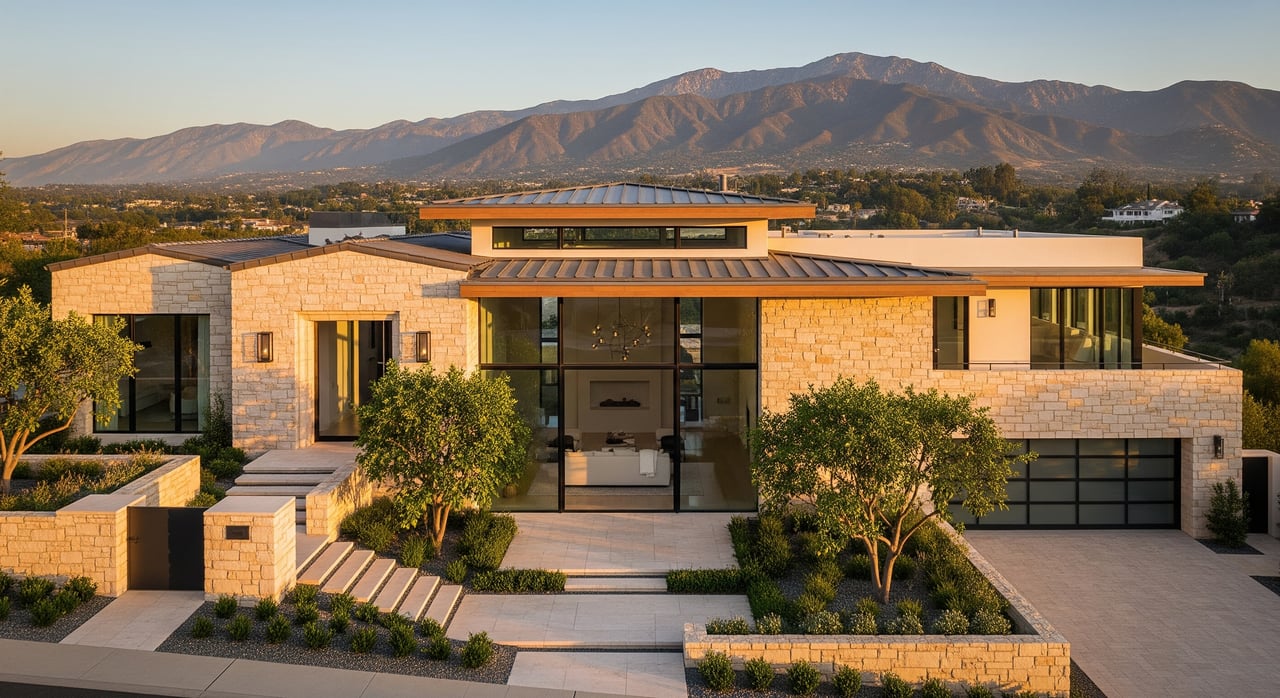
Bridge Loan Options for La Verne Homes & Smooth Moves
Feeling stuck between buying your next La Verne home and selling your current one? You’re not alone. In a competitive Los Angeles County market, you may want to write a strong offer without waiting for your sale to close. This guide explains how bridge loans, HELOCs, rent-backs, and escrow timing can help you buy first and sell after with less stress. Let’s dive in.
Bridge loans are short-term loans that give you access to cash so you can close on a new home before your current home sells. They are usually set for 6 to 12 months and often have interest-only payments during the term with a balloon payoff at the end. You pay them off with the proceeds from your sale or by refinancing.
Lenders look for strong collateral and a clear exit plan. That means enough equity in your current home, an appraisal, clean title, and signs you will sell soon. Because these loans are short-term and carry exit risk, rates and fees are typically higher than a standard mortgage.
A home equity line of credit (HELOC) or a home equity loan on your current home can also fund your down payment. A HELOC works like a credit line with a draw period and interest-only payments during draws. Many lenders cap combined loan-to-value around a set threshold, which varies by lender.
HELOCs often cost less than bridge loans but still require equity and a qualifying debt-to-income ratio. Some have variable rates, so your payment can change. Processing can take a few weeks, so it helps to start early.
Other paths include a cash-out refinance on your current home or short-term private or portfolio loans. A cash-out refi can offer lower rates than a bridge loan, but it takes time to close and may not fit a fast-moving purchase. Private or hard-money loans fund quickly but are expensive and usually a last resort.
Escrows in the La Verne area are commonly 30 to 45 days for financed purchases. All-cash can close sooner. You can also negotiate extended escrows of 60 to 90 days or more, which can give you time to line up financing or complete your sale.
Rent-backs are common tools as well. With a rent-back, the seller stays in the home for a set time after closing and pays rent to the buyer. Most primary-residence lenders allow short rent-backs, often up to 60 days, as long as the agreement is documented with clear rent, deposit, and insurance terms.
Use these steps to reduce overlap stress and cost:
Lenders focus on three things: your exit plan, your collateral, and your capacity. They want to see a credible plan to sell, solid equity and clear title, and that you can handle payments during the overlap. Appraisers and underwriters will use local comps from La Verne and nearby San Gabriel Valley communities.
Here’s a quick document checklist many lenders request:
Bridge loans and hard-money products usually cost more than HELOCs or standard mortgages. That premium reflects the short term and the risk that your sale could take longer than expected. HELOCs can be cheaper but still affect your debt-to-income, and variable rates can rise.
Reduce risk with a disciplined exit plan. Align escrow timing, negotiate a rent-back if helpful, and prep your current home to sell quickly and cleanly. Keep your lender updated on showings and offers to confirm the likelihood of a timely payoff.
A rent-back, also called post-closing occupancy, lets the seller stay after close for an agreed period. You will set the rent, deposit, and responsibilities in the purchase contract. Your lender may allow a short rent-back on a primary residence as long as the agreement is clear and the occupancy timeline is within their guidelines.
Rent-backs help you avoid temporary housing or multiple moves. They can also reduce or eliminate the need for a bridge loan if your current home will sell and close before you need to occupy the new one. Title, escrow, and insurance should reflect the occupancy plan.
La Verne and surrounding Los Angeles County suburbs are largely single-family markets influenced by commuter demand and neighborhood amenities. Appraisals and underwriting rely on local comps and recent sales velocity from the area’s MLS. Proximity to community features and local institutions, including University of La Verne, can influence buyer interest and pricing.
In faster periods, homes sell more quickly, which lowers exit risk for bridge lenders. In slower periods, extended escrows, rent-backs, and clear pricing strategies become even more important. A lender who understands Los Angeles County and the San Gabriel Valley may also price risk more accurately.
A well-run buy-first plan is all about coordination among you, your agent, your lender, and escrow.
You may lean toward a bridge loan if you want to write a non-contingent offer in a tight inventory pocket and you have strong equity. A HELOC may suit you if you have time to set it up and want more flexible, often lower-cost funds for a down payment. If you need ultra-fast cash and don’t meet standard guidelines, a private or portfolio loan can be a fallback, but expect higher costs and short durations.
Buying before selling in La Verne can be done with clear steps, the right financing tool, and contract terms that protect your timeline. The key is pairing a lender who knows Los Angeles County with an agent team that manages documentation, negotiations, and parallel timelines.
If you want a calm, well-managed move, our team can help you map financing, negotiate escrow and rent-back terms, and prepare your sale for a clean exit. Reach out to Cornerstone Realty Group to get a personalized timeline and financing game plan.

Navigating the journey of buying or selling a home can be a breeze when you've got the right expert by your side. We're here to simplify the process for you, tackling all your questions with honesty and dedication. Even if we don’t have an immediate answer, we promise to find it for you. Let's make your real estate experience smooth and stress-free together!

299 W FOOTHILL BLVD STE 212 UPLAND CA 91786 Yolanda Andrade | CA DRE# 01748163